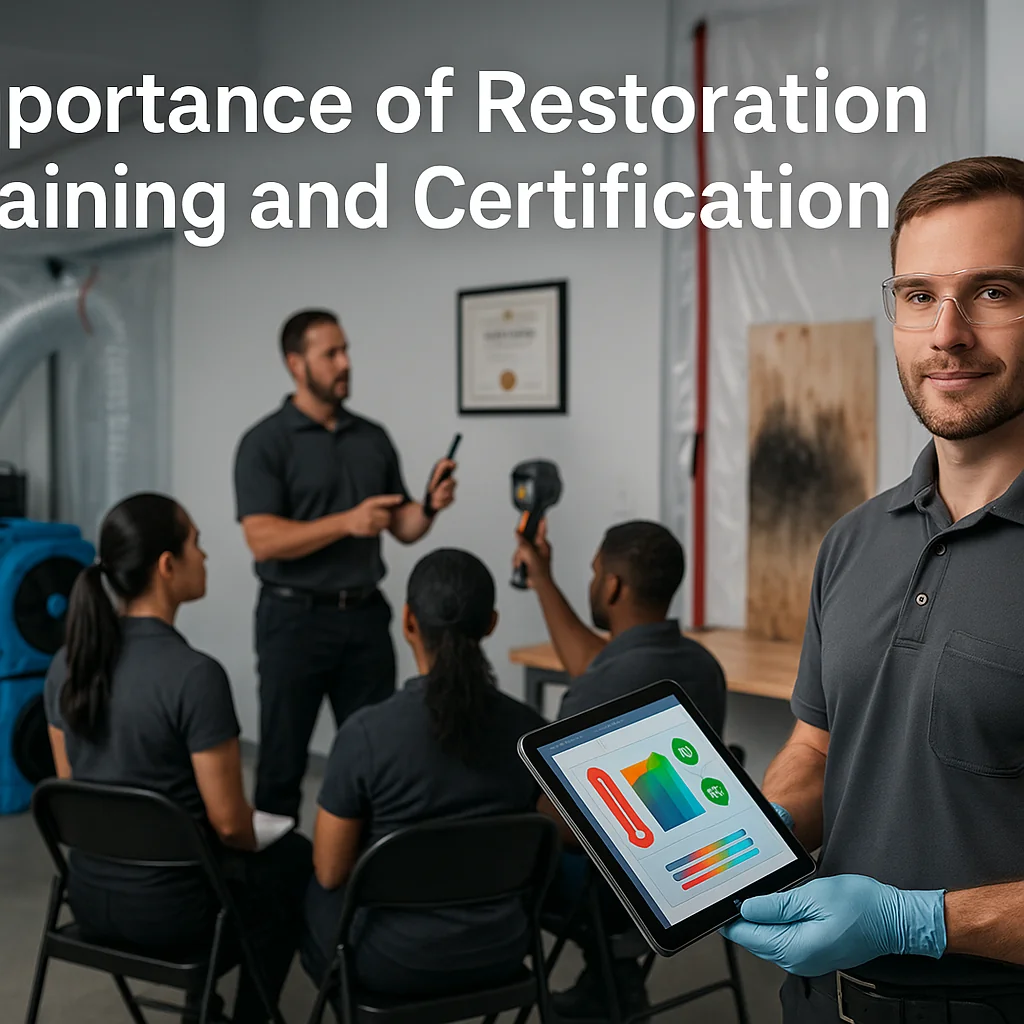
In Concord, where wildfires and structural fires pose significant threats to homes and businesses, the importance of restoration training and certification cannot be overstated. Certified professionals ensure that fire damage restoration is performed safely, effectively, and in compliance with local regulations, minimizing health risks from smoke residues, structural weaknesses, and secondary water damage from firefighting efforts. Choosing certified experts protects your property value and accelerates recovery, especially in high-risk areas like Downtown Concord.
Understanding Fire Damage Restoration Training
Fire damage restoration involves a complex process that goes beyond simple cleanup. Trained professionals must assess structural integrity, remove soot and smoke residues, eliminate odors, and prevent mold growth from water used in extinguishing the fire. Restoration training equips technicians with the knowledge to handle hazardous materials like carcinogens in smoke, volatile organic compounds (VOCs), and corrosive byproducts.
Core components of training include:
- Hazardous material handling: Identifying and safely removing toxic residues.
- Structural drying techniques: Using psychrometrics to control moisture levels.
- Odor control methods: Employing ozone generators, hydroxyl units, and thermal fogging appropriately.
- Personal protective equipment (PPE) usage: Ensuring worker and occupant safety.
Without proper training, amateurs risk spreading contaminants, causing further damage, or violating health codes, leading to costly rework or legal issues.
The Critical Role of Certification in the Industry
Certification serves as a benchmark of competency, issued by recognized bodies like the Institute of Inspection, Cleaning and Restoration Certification (IICRC). IICRC certifications, such as Fire and Smoke Restoration Technician (FSRT), require rigorous coursework, hands-on exams, and ongoing education.
Other key certifications include:
| Certification | Issuing Body | Focus Area |
|---|---|---|
| IICRC FSRT | IICRC | Fire and smoke damage |
| Water Damage Restoration Technician (WRT) | IICRC | Secondary water mitigation |
| Applied Microbial Remediation Technician (AMRT) | IICRC | Mold prevention post-fire |
| OSHA 10/30-Hour | OSHA | Workplace safety |
These credentials ensure technicians adhere to ANSI/IICRC S100 and S500 standards, providing documented proof of expertise. In Concord, where fire departments collaborate with restorers, certified teams align with local protocols, speeding up insurance claims.
Benefits of Hiring Certified Restoration Professionals
Opting for certified services yields multiple advantages:
- Health and safety: Certified pros use EPA-approved methods to remove over 90% of airborne particulates, reducing respiratory risks.
- Efficiency and cost savings: Proper training prevents errors like inadequate drying, which can lead to 20-30% higher repair costs.
- Insurance compliance: Most Concord insurers prefer or require IICRC-certified work for claims reimbursement.
- Property preservation: Advanced techniques salvage more contents, preserving heirlooms and valuables.
- Legal protection: Certifications provide liability coverage, shielding homeowners from subpar work lawsuits.
A study by the Restoration Industry Association (RIA) shows certified firms complete jobs 25% faster with 15% fewer callbacks.
Local Insights: Fire Risks and Restoration in Concord
Concord’s diverse landscapes, from urban North Concord to hilly Garaventa Hills, amplify fire dangers. Wildfires fueled by dry vegetation threaten hillside properties, while dense commercial zones in downtown face electrical and cooking-related blazes. Concord Fire Department’s 2023 report noted over 150 structure fires, many requiring professional restoration.
Certified restorers familiar with local codes, like Contra Costa County’s building standards, ensure seismic retrofits post-fire. They also navigate Bay Area air quality regulations during smoke cleanup, using HEPA filtration to comply with CARB guidelines.
Commercial Fire Damage Restoration Challenges
Businesses in Concord face unique hurdles, such as minimizing downtime. For commercial fire damage restoration, certified teams deploy rapid pack-out services, temporary power solutions, and 24/7 monitoring to restore operations swiftly. Training in HVAC system decontamination prevents cross-contamination in multi-tenant buildings.
Case study: A Concord retail center fire in 2022 was restored in 10 days by certified pros, versus an estimated 3 weeks for uncertified crews, saving $50,000 in lost revenue.
Risks of Uncertified Restoration Services
Untrained restorers often overlook hidden smoke damage in HVAC ducts, leading to persistent odors and health issues. Inadequate drying fosters mold, with RIA estimating $5 billion annual U.S. losses from poor post-fire mitigation. In Concord, uncertified work has resulted in failed inspections, delaying re-occupancy by months.
Common pitfalls include:
- Using household cleaners on soot, causing etching.
- Ignoring porous material disposal, spreading toxins.
- Skipping content inventory, complicating claims.
How Certification Ensures Quality Assurance
Certified firms implement quality control via pre- and post-restoration moisture mapping, air quality testing, and digital documentation. Ongoing training—requiring recertification every 5 years—keeps skills current with evolving technologies like antimicrobial coatings and robotic inspection tools.
For Concord residents, verifying certifications via IICRC’s locator or RIA membership provides peace of mind. Pair this with a free fire damage assessment from local experts.
Tips for Concord Property Owners
To maximize restoration success:
- Document damage immediately with photos.
- Select IICRC-certified providers.
- Request detailed scopes of work.
- Monitor progress with moisture meters.
- Plan for temporary relocation if needed.
In wildfire-prone areas, integrate fire-resistant materials during rebuilds, per Concord’s updated ordinances.
Future Trends in Restoration Training
Emerging certifications cover green restoration, using low-VOC products and energy-efficient drying. VR simulations train on rare scenarios, while AI predicts damage spread. Concord’s tech-savvy restorers adopt these for superior outcomes.
In summary, restoration training and certification form the backbone of reliable fire damage recovery in Concord, safeguarding lives, properties, and the local economy.
Leave a Reply